
If you are looking to settle in a city that perfectly balances lush greenery, agricultural richness, and modern connectivity, Pollachi is an excellent choice. Located just an hour from Coimbatore, it offers a peaceful lifestyle away from the metropolitan hustle while providing solid real estate investment potential.
Whether you are looking for a weekend retirement villa, agricultural land, or an independent family home, navigating the local market requires the right strategy. Here is your comprehensive guide to buying the best home in Pollachi at the lowest possible price.
2026 Real Estate Rates: What is the Average Cost Per Sq Ft?
Property prices in and around Pollachi vary heavily depending on whether you are buying vacant residential plots or fully built properties (like villas or independent houses). As of mid-2026, the market has seen steady appreciation, particularly for gated communities and villas.
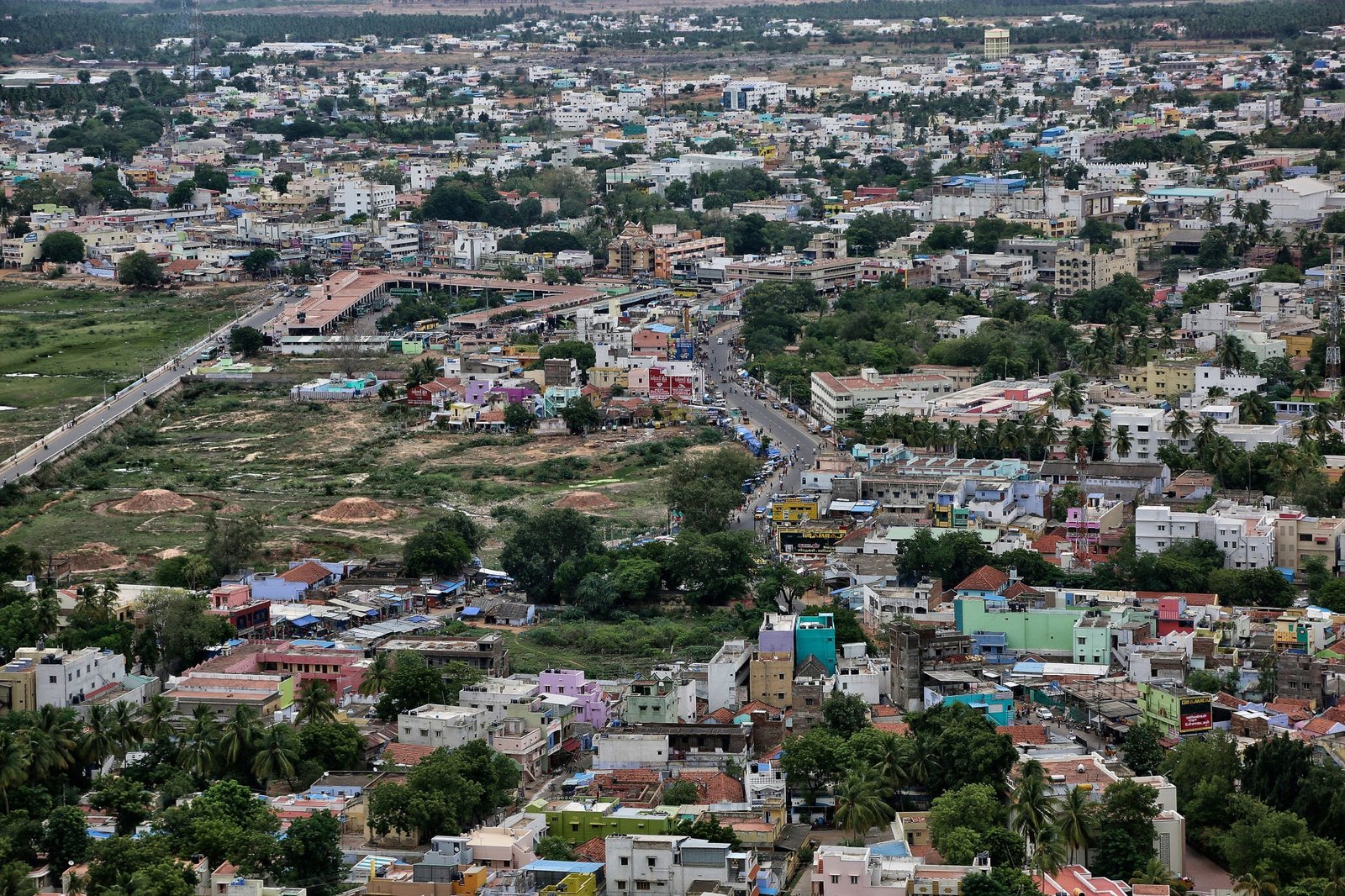
Here is a breakdown of the current average property and land rates per square foot in Pollachi and its surrounding micro-markets:
| Location | Property Type | Approx. Avg Price / Sq Ft (₹) | Starting Range (₹) |
| Pollachi (Central & Hubs) | Built Homes / Villas | 4,600 – 7,150 | 3,341 |
| Pollachi (Outskirts) | Residential Plots | 1,500 – 3,500 | 833 |
| Anaimalai | Plots & Homes | 2,146 – 3,849 | 1,355 |
| Zamin Uthukuli | Residential Plots | 1,893 – 2,043 | 1,260 |
| Kottur / Samathur | Plots / Resale Homes | 1,354 – 2,400 | 500 |
(Note: Prices fluctuate based on exact road frontage, DTCP/RERA approvals, and proximity to state highways.)
Calculate Your Budget
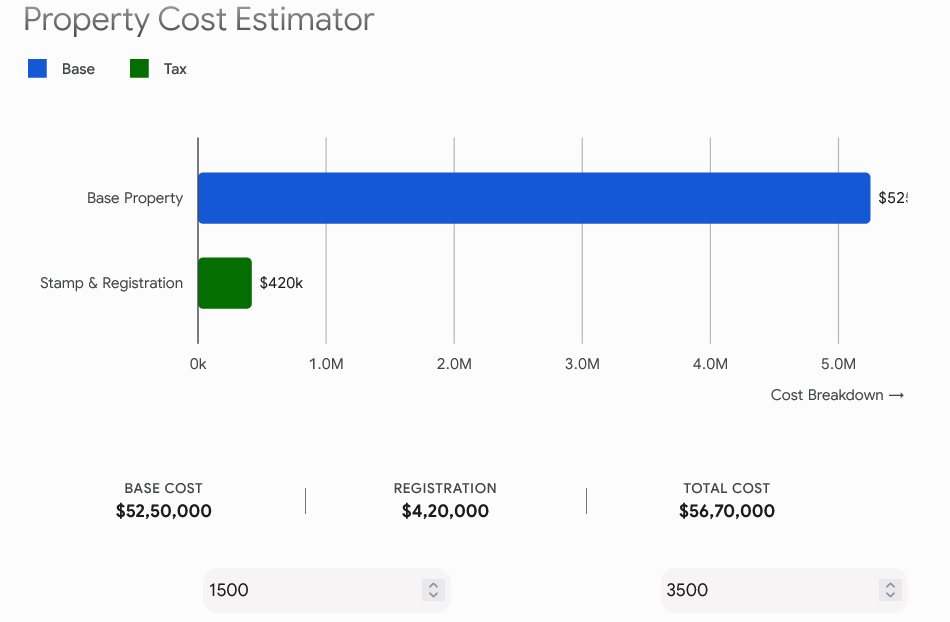
Use this interactive tool to estimate the total cost of a property based on the current per-square-foot rates in your desired area.
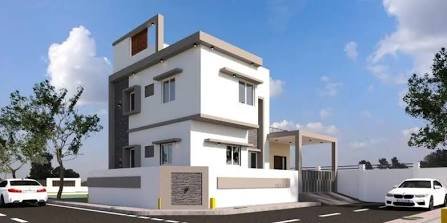
Top 10 Tips to Buy the Best Home at the Cheapest Price
Snagging a great deal in a rising market requires patience and negotiation. Here is how to keep your costs down without compromising on quality:
-
-
Target Developing Peripheries: Instead of central Mahalingapuram or Railway Junction where rates are premium, look at developing corridors like Achipatti, Kovilpalayam, or Zamin Uthukuli.
-
Buy Plot and Build Later: Buying a DTCP-approved plot in Anaimalai or Kottur and hiring a local contractor to build a house is often 20-30% cheaper than buying a pre-built developer villa.
-
Negotiate on Resale Properties: Older homes (5-10 years old) in areas like Samathur often sell for much lower per-square-foot rates than new constructions. You can renovate the interiors over time.
-
Hunt During the Monsoons: Real estate site visits drop during heavy rains. Sellers whose properties have been on the market for a while might be more willing to negotiate a cheaper price to close the deal.
-
Check for Unlisted Properties: Not every home is online. Drive through neighborhoods like Suleeswaranpatti or Vadugapalayam and look for direct “To-Let/For Sale” boards to bypass agent commissions entirely.
-
Pool Resources for Larger Plots: Sometimes a 10-cent (4,350 sq ft) plot sells at a cheaper rate per cent than a 3-cent plot. Buy a large plot with a friend or family member and legally sub-divide it.
-
Verify Stamp Duty Values: Ensure the asking price isn’t drastically higher than the government guideline value. If it is, use this as leverage to negotiate the price down.
-
Pre-Approve Your Loan: Sellers prefer buyers who can close quickly. Having a pre-approved bank loan gives you strong bargaining power to demand a cash discount.
-
Avoid Heavily Customized Homes: Homes with highly specific, quirky interiors often sit on the market longer. Buy a basic, structurally sound home and customize it to your taste.
-
Look for Distressed Sales: Keep an eye out for sellers who are relocating abroad or moving to Coimbatore/Chennai for work. They usually price their homes aggressively for a fast exit.
-
What Matters Most Before Deciding to Buy?
Do not let a fresh coat of paint blind you to structural or legal issues. Before signing any checks, scrutinize these crucial factors:
-
-
Clear Title and Patta: Ensure the property has a clear “Patta” (land deed) and no encumbrance (EC) for at least the last 30 years. Agricultural lands cannot be used for residential building without proper conversion.
-
DTCP / RERA Approval: If you are buying a plot or a villa in a gated community, verify the Directorate of Town and Country Planning (DTCP) approval. Unapproved plots cannot secure bank loans and face demolition risks.
-
Water Table and Borewell Depth: Pollachi generally has good groundwater, but certain pockets require deep borewells. Check the summer water yield of the existing borewell.
-
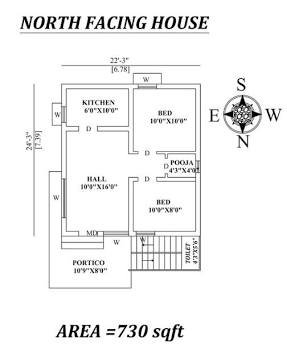
Vastu Compliance: If Vastu Shastra matters to you or future resale value, check the facing of the house (North and East are most preferred) and the placement of the kitchen and master bedroom.
-
Proximity to Highways: While being close to the Coimbatore-Pollachi highway is great for commuting, being too close can mean heavy dust and truck noise. Look for properties one or two streets removed from the main road.
-
How to Find Top-Rated Agents in Pollachi
A good local agent is worth their weight in gold—they know the unlisted properties, the zoning laws, and the exact fair market value. Here is how to find a reliable one:
-
Look for Hyper-Local Specialists: Do not use an agent based in Coimbatore for a property in Anaimalai. You want an agent whose office is in Pollachi and who strictly deals with the Anaimalai, Kottur, and Uthukkuli belts.
-
Check the Real Estate Regulatory Authority (RERA): In Tamil Nadu (TNRERA), legitimate real estate agents must be registered. Ask for their RERA registration number.
-
Ask the Locals: Visit local tea stalls, grocery shops, or bank branches in the specific neighborhood you want to buy in. Locals usually know which brokers have the best reputation and actually close deals.
-
Interview Multiple Agents: Do not settle for the first one you meet. Ask them about the water table in Uthukkuli, the average rent in Mahalingapuram, and recent sales they’ve closed. A top-rated agent will have these numbers memorized.
Registering a property in Tamil Nadu is a strict, document-heavy process managed through the TNREGINET portal and your local Sub-Registrar Office (SRO). Missing a single document can stall your transaction or lead to legal headaches down the road.
Here is the complete, categorized checklist of specific legal documents required for property registration in Tamil Nadu as of 2026.
1. Primary Transaction Documents
These are the core legal papers drafted for the immediate purchase:
-
Sale Deed (Draft & Original): The official instrument of transfer, typically drafted by a qualified legal advocate or licensed document writer. It must clearly outline the property schedule, sale consideration, and boundary details.
-
Sale Agreement: The preliminary contract signed between buyer and seller outlining payment terms, timelines, and penalties before executing the final Sale Deed.
-
Stamp Duty & Registration Fee Payment Receipt: Digital challan or e-stamping receipt confirming payment of the mandatory 11% government charges (7% Stamp Duty + 4% Registration Fee) paid via TNREGINET.
2. Title & Chain of Ownership (Parent Documents)
The SRO will trace how the property changed hands over time. You must produce the original documents showing clean ownership:
-
Parent Deeds (Originals): The continuous chain of title deeds (previous Sale Deeds, Gift Deeds, Partition Deeds, or Settlement Deeds) for the last 15 to 30 years.
-
Encumbrance Certificate (EC): A computerized EC downloaded from TNREGINET covering at least 15 to 30 years up to the current date. This proves the property is free from legal dues, mortgages, or court attachments.
-
Patta, Chitta, and Adangal / TSLR Extract:
-
Patta & Chitta: Revenue records issued by the Tahsildar establishing the seller’s legal land ownership.
-
TSLR (Town Survey Land Register): Required instead of Patta if the property falls under municipality or corporation limits.
-
-
FMB (Field Measurement Book) Sketch: A land survey map showing the exact geometric boundaries and sub-division of your survey number.
3. Statutory Approvals & Tax Records
To prove the property is legally built and all government dues are cleared:
-
DTCP / CMDA / RERA Approved Layout Plan: Proof that the land or building layout is sanctioned by the Directorate of Town and Country Planning (DTCP) or local planning authorities.
-
Building Plan Approval (Blue Print): Required for constructed homes or villas to prove the structure matches municipal rules.
-
Property Tax Receipts: The latest paid property tax receipt in the seller’s name.
-
Utility Bills: Recent paid receipts for Electricity (EB Card/bill), Water Tax, and Drainage Tax.
4. Identity & Compliance Documents
Under the latest 2026 Paperless & Biometric Registration rules, identity verification is strictly enforced:
| Party | Required Identity & Compliance Documents |
| Buyer & Seller |
• Aadhaar Card (Mandatory for biometric/OTP authentication) • PAN Card (Mandatory for transactions above ₹10 Lakhs) • Address Proof (Passport, Voter ID, or Driving License) • 2-4 Passport-size photographs |
| Witnesses | • ID & Address Proof (Aadhaar/Voter ID) of two independent witnesses present at the SRO |
| High-Value Buyers | • TDS Certificate (Form 16B): If property value exceeds ₹50 Lakhs, buyer must deduct 1% TDS from the seller and submit the payment challan |
5. Conditional / Special Case Documents
Depending on the specific nature of the seller or property, you may also need:
-
Power of Attorney (POA): If the seller or buyer cannot be physically present, a registered and duly adjudicated POA authorizing a representative is mandatory.
-
Legal Heir Certificate & Death Certificate: If you are buying an inherited property from the heirs of a deceased owner.
-
Bank Loan Closure / MODT Receipt: If the seller had a mortgage on the property, a Memorandum of Deposit of Title Deed (MODT) discharge receipt or Loan Closure Certificate confirming zero outstanding debt is required.
-
NOC (No Objection Certificate): Required from the relevant authorities if the property is near highway corridors, water bodies, or industrial zones.
Crucial Step for 2026: Before visiting the Sub-Registrar Office, ensure all your draft deeds, parent documents, and ID proofs are pre-uploaded onto the TNREGINET portal to book your slot and enable seamless biometric verification on the day of registration.